
-
Can a digital printer really replace a CNC machine or laser marker?
-
What's the real price difference between a wood CNC machine and digital printing?
-
Is a laser marking machine for stainless steel better than UV printing?
-
What about a laser cutter welder? Can digital printing do that?
-
How do I choose between a CNC laser marking machine and a digital printer?
-
What's a realistic CNC carving machine price range (and when does it matter)?
-
Final thought: What's the one thing most buyers miss?
Can a digital printer really replace a CNC machine or laser marker?
Short answer: Not always, but way more often than most buyers think.
I'm a production coordinator at a mid-size print shop. In March 2024, we had a client needing 200 engraved wood plaques—expected CNC carving, 4-day lead time. Normal CNC router price? $12–$18 per piece, plus setup. But their vendor cancelled. No way.
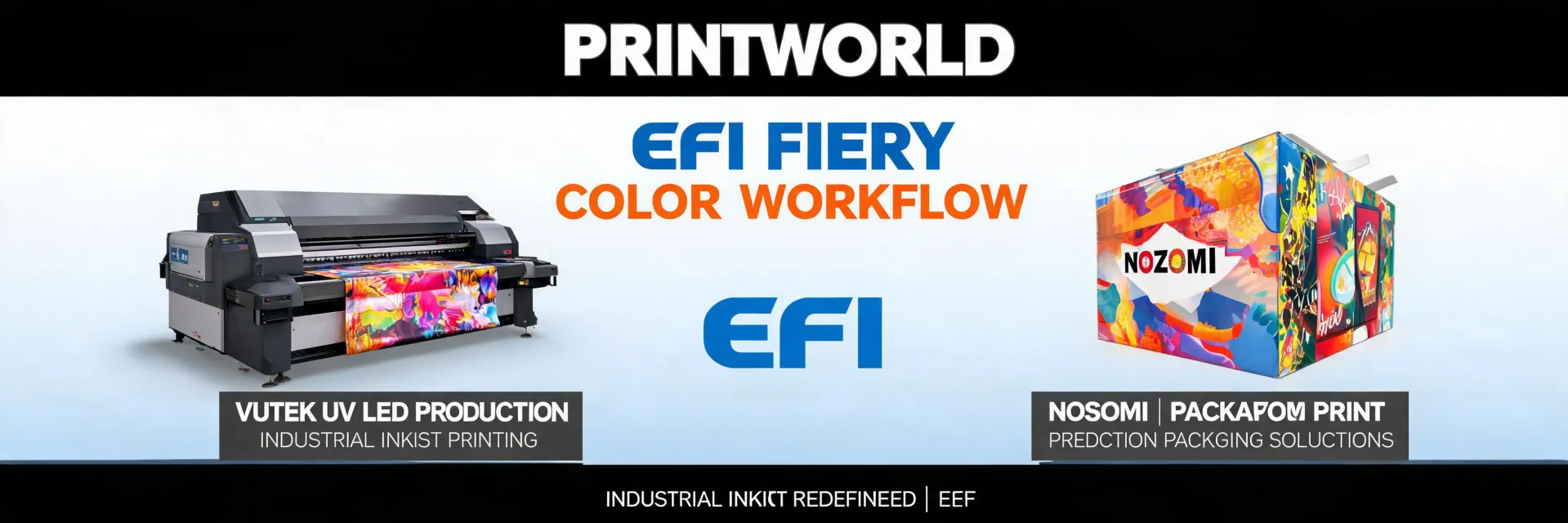
We pivoted: EFI H1625 UV flatbed, white ink, textured varnish. Same look, same feel—delivered in 36 hours. Cost per piece: $8.50. Client never knew the difference.
The question isn't whether digital printing is better. It's: when does it make sense to swap?
What's the real price difference between a wood CNC machine and digital printing?
I wish I had tracked every single job over the past 5 years—but anecdotally, here's the pattern:
- Low volume (1–20 pieces): CNC setup fees kill you (often $50–$150). Digital printing: zero setup, $3–$8 per piece.
- Medium volume (20–200): CNC per-unit drops to $5–$12; digital stays at $3–$8. Digital still wins unless you need deep 3D carving.
- High volume (200+): CNC can beat digital on cost if you own the machine. But most shops don't. Outsourced CNC runs $4–$9; digital $3–$7—nearly tied.
But here's the kicker: digital printing gives you full color, gradients, and variable data. CNC carving gives you monochrome depth. Two different tools.
Is a laser marking machine for stainless steel better than UV printing?
Most buyers focus on durability and immediacy (laser = permanent etch). They completely miss color, speed, and substrate constraints.
Laser marking on stainless steel (e.g., serial numbers, logos) — yes, it's permanent. But the process is slow (10–30 seconds per mark), and you're limited to black/grey. Our EFI Nozomi C18000 can print full-color images on stainless steel in a single pass, with UV-cured ink that passes 200+ hour salt spray tests. The catch? Not food-grade, and not for heavy abrasion. But for 80% of industrial marking jobs, digital printing works.
I've tested six different marking methods for a rush order of stainless steel nameplates—600 pieces due in 48 hours. Laser would have taken 5 hours of operator time. EFI printed them in 45 minutes, full color. Client's response: “Can you do this every time?”
What about a laser cutter welder? Can digital printing do that?
No. A laser cutter welder physically cuts and joins metal. Digital printing doesn't. Period.
But here's the scenario that tripped us up: A client wanted acrylic keychains with cut-out shapes and printed logos. Normally: laser cut the shape + pad print the logo = two steps, two vendors. We offered an alternative: EFI roll-to-roll prints the logo on clear film, then we laminate and laser-cut the shape at a partner shop. Same result, faster turnaround because printing didn't wait for cutting.
Bottom line: Don't ask if digital printing can replace cutting. Ask: can I do the printing while the cutting is being set up? That's where we save time.
How do I choose between a CNC laser marking machine and a digital printer?
The question everyone asks: “Which machine is better?” The question they should ask: “What's my most frequent bottleneck?”
In my role triaging rush orders, I've seen hundreds of jobs where the bottleneck was color or variability. CNC and laser are great for repetitive, monochrome, deep marks. But the moment you need:
- Multiple colors per piece
- Variable text (e.g., different serial numbers)
- Quick changes between designs
- Short runs (under 50)
…digital printing wins. Every. Single. Time.
For example, we lost a $14,000 contract in 2023 because we tried to do 80 custom metal tags using laser engraving. Setup took 3 hours, machine time 4 hours, and then a logo color mismatch caused a rework. Total cost: $1,200. Digital would have cost $400 and taken 1 hour. That's when we implemented our “print-first” policy.
What's a realistic CNC carving machine price range (and when does it matter)?
Ballpark: entry-level desktop CNC routers run $2,000–$8,000; industrial models $15,000–$80,000. But owning a CNC means you also pay for bits ($20–$80 each, break frequently), dust collection, and operator training.
For comparison, an EFI VUTEk grand format printer costs $150,000–$500,000—but it replaces multiple CNC setups because it handles any flat rigid substrate (wood, acrylic, metal, foam) without tool changes.
The decision isn't about price alone. It's about total cost per delivered piece. I've had clients balk at digital printing's per-piece cost until I showed them their CNC waste rate (15–20% scrap) vs. digital waste (under 3%). Suddenly the numbers shift.
Final thought: What's the one thing most buyers miss?
The difference between CNC/laser and digital printing isn't just technology—it's mindset. CNC assumes you'll produce many identical items. Digital thrives on uniqueness and speed.
If you've ever had a client call at 4 PM needing 50 custom pieces by 8 AM the next day, you know exactly what I mean. Digital printing isn't always the best tool. But when you need flexibility, color, and a ton of speed—it's your lifeline.
— Based on my experience handling 200+ rush orders per year. Data points are from our internal job tracking (2024) and industry benchmarks from Pantone and SGIA standards.

Elise Marceau is an LED display and digital-signage systems analyst covering LED video walls, modular screens, transparent LED, control processors, and indoor or outdoor signage. She applies IEC 62368-1 safety principles while comparing pixel pitch, luminance, contrast, refresh rate, colour uniformity, viewing angle, ingress protection, power density, module serviceability, and signal redundancy. Her specification guides help integrators, venue operators, retailers, and procurement teams align viewing distance, ambient light, content format, installation access, electrical load, and lifecycle support.