EFI color science since 1989 · Fiery workflows, VUTEk LED, Nozomi single-pass, Reggiani textile
Brand Logo Est. 1989 · Meredith, New Hampshire · Industrial Inkjet
VUTEk · Nozomi · Pro Series · Reggiani

Color, Controlled. Ink, Cured.

EFI industrial inkjet brings VUTEk superwide LED, Nozomi single-pass corrugated, Pro Series hybrid roll-to-roll, and Reggiani textile systems under Fiery Digital Front End control. Every quote starts with substrate, ink-limit, gamut, and service data, not brochure adjectives.

Request a Characterization Packet Book a Fiery Color Review →
  • Delta-E < 2factory color target
  • 400 m2/hVUTEk throughput class
  • 75 m/minNozomi corrugated line
  • Fiery DFEICC and workflow control
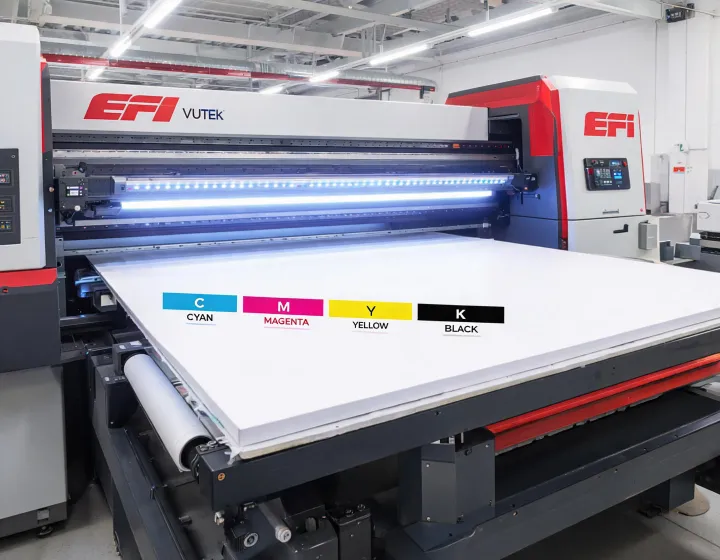
EFI VUTEk UV LED superwide flatbed printer producing calibrated signage

EFI industrial inkjet specifications

Download platform data pack (4.8 MB) →
VUTEk UV LED Superwide
Format
3.2 m and 5 m hybrid roll / rigid production
Ink set
CMYK plus light colors, white, and clear options
Rated class
Up to 400 m2/h depending on mode and substrate
Process control
Fiery profiling, LED cure characterization, and ink-limit tables
Nozomi Single-Pass Packaging
Substrate
Corrugated board, display board, POP packaging, shelf-ready transit packs
Line speed
75 linear m/min class production with water-based LED-curable inks
Print width
1.4 m and 1.8 m class Nozomi configurations
Workflow
Digital front end, color bar verification, and packaging MIS handoff
Pro Series Hybrid LED
Models
Pro 16h+, Pro 24h, Pro 32r+, roll-to-roll and hybrid beds
Applications
Backlit display, banners, vinyl, rigid board, fleet graphics, POP
Resolution
Production print modes selected by substrate and viewing distance
Service
Applications-lab setup, operator handoff, and documented preventive maintenance
Reggiani Textile Inkjet
Ink chemistries
Reactive, acid, pigment, disperse, and specialty textile workflows
Platforms
BOLT, HYPER, TERRA, and roll-to-roll textile production systems
Substrates
Cotton, silk, polyester, home furnishing, fashion, and soft signage
Color assurance
Substrate-specific profiles, lab dips, and spectrophotometric sign-off

Six control points engineered into every EFI deployment

ICC

Fiery ICC discipline

Output profiles, device links, gray balance, and Pantone libraries are mapped to the exact press, ink, and substrate family.

UV

LED cure window

UV intensity, dwell time, surface temperature, and adhesion checks are characterized before production sign-off.

SP

Single-pass stability

Nozomi jobs are specified around line speed, corrugate flute, primer behavior, jetting waveform, and color-bar verification.

MIS

MIS and storefront link

Pace, Monarch, PrintSmith, and Web-to-Print workflows can tie quote, job ticket, schedule, and press queue together.

LAB

Applications lab packets

EFI lab teams document substrate compatibility, ink limits, drying behavior, and recommended operator controls.

SLA

Pressroom service plan

Field engineering, critical spares, preventive maintenance, and remote color reviews are scoped by run profile.

1989EFI founded for digital print workflow
FieryRIP and color-management reference
UL / CEconfiguration-dependent compliance support
ISOquality and environmental management programs

Frequently asked by inkjet production buyers

The shortlist begins with substrate, finished format, monthly volume, ink chemistry, and viewing distance. Corrugated display packaging normally points to Nozomi, superwide rigid and roll work to VUTEk, mid-format hybrid sign work to Pro Series, and textile production to Reggiani.

Yes. The applications lab can run an initial characterization package that covers adhesion, ink-limit, cure window, profile behavior, and visible artifacts. The result is a practical production recommendation, not a generic compatibility claim.

A Fiery review checks current RIP settings, ICC profile strategy, calibration cadence, Pantone handling, gray balance, spot-color tolerances, and operator workflow. The output is a punch list that your prepress and pressroom teams can execute.

No. Safety, electrical, and regional marks depend on machine configuration, destination, curing package, and integration scope. EFI documentation should be reviewed per serial and destination before a compliance claim is published.

Service scope is built from shift pattern, uptime expectation, operator skill, local parts stocking, and print criticality. A packaging plant running two shifts needs a different spares and escalation model than a seasonal sign shop.

Downloadable resources

PDF

VUTEk LED Platform Guide

Format, ink, color mode, service envelope, and substrate notes for superwide production teams.

PDF · 3.6 MBDownload
PDF

Nozomi Packaging Dossier

Corrugated inkjet line-speed considerations, primer choices, color bars, and display-board workflow notes.

PDF · 4.8 MBDownload
ZIP

Fiery Profile Checklist

Calibration cadence, profile naming, target readings, and operator sign-off sheet for prepress teams.

ZIP · 780 KBDownload
XLS

Inkjet TCO Calculator

Labor, ink, electricity, service, waste, and finishing assumptions for a five-year comparison.

XLSX · 260 KBDownload
PDF

Reggiani Textile Notes

Textile ink chemistry matrix for cotton, silk, polyester, fashion, home furnishing, and soft-signage work.

PDF · 2.2 MBDownload
PDF

Service Plan Worksheet

Questions to define critical spares, preventive maintenance cadence, and remote color review coverage.

PDF · 1.1 MBDownload
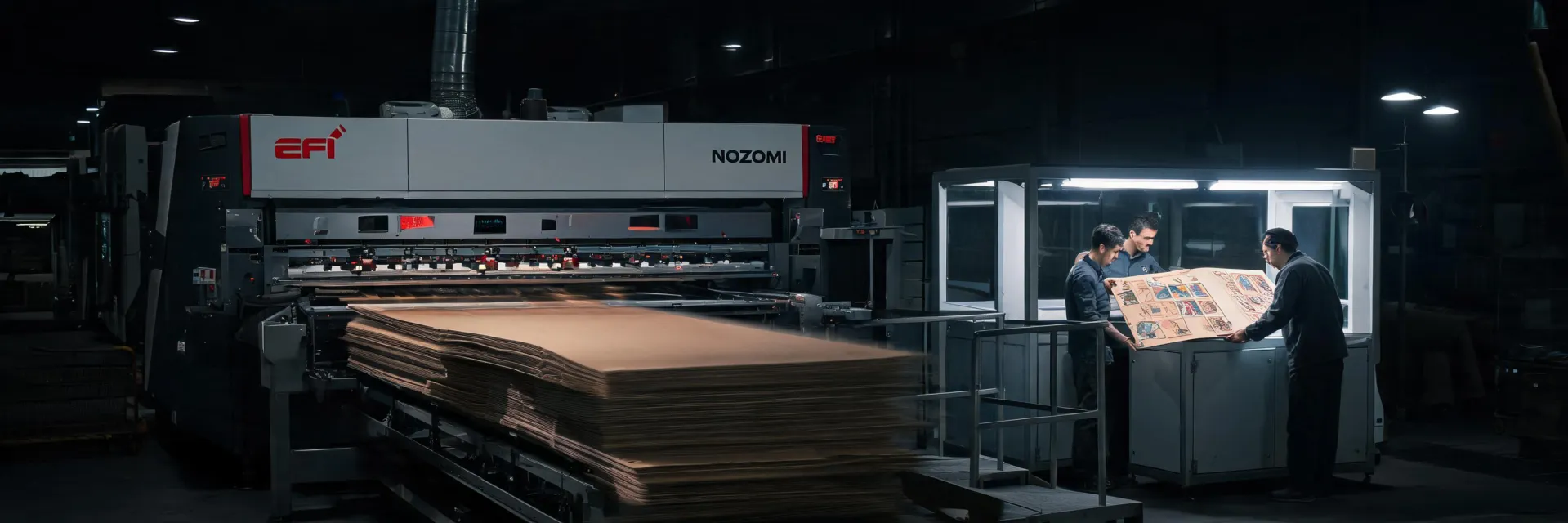
EFI inkjet press line producing calibrated packaging at night

Bring one substrate. Leave with a calibrated production path.

EFI can review color targets, substrate limits, workflow, service coverage, and the press family that deserves a closer look.

Reserve an Applications Lab Slot Read engineering notes →